Introduction to the corrosiveness of hydrogen peroxide sterilizer to the environment
2021/7/29
Introduction to the corrosiveness of hydrogen peroxide sterilizer to the environment
The corrosiveness of using a hydrogen peroxide sterilizer depends on two aspects:

1. The properties of disinfectant itself. Hydrogen peroxide sterilization equipment is divided into two types: vaporization and atomization. The equipment itself is only a generating device, and the disinfection effect mainly depends on the disinfectant itself. Hydrogen peroxide itself has oxidative properties. Atomization uses 2.2% hydrogen peroxide+0.45% peracetic acid or 8% pure hydrogen peroxide disinfectant, which has a particularly low concentration and good compatibility. Because the hydrogen peroxide used in hospitals is 3% hydrogen peroxide, it can be directly applied to wounds, so 2.2% compatibility is better. Even if it condenses dozens of times, there will be no visible corrosion to the naked eye.
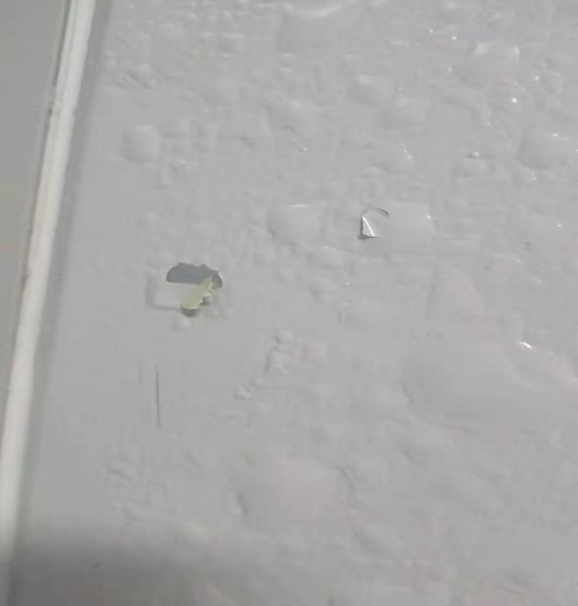
35% hydrogen peroxide is used for vaporization. If the temperature and humidity are not controlled properly, the color steel plate will bubble after condensation. Therefore, the temperature and humidity before sterilization must be controlled well, with an initial temperature of 18-26 ℃ and humidity of 40-60%.
2. It is also related to the material of the color steel plate. For example, color steel plates before 2000 may have problems such as damage, aging, and high material impurities, which are prone to corrosion. However, color steel plates after 2010 generally have good compatibility. For the sake of rigor, before sterilization, we can use the scraps of color steel plates for disinfectant titration testing. Different concentration gradients of disinfectant can be used to titrate the compatibility of color steel plates multiple times to determine whether they are suitable for sterilization with hydrogen peroxide. If the material is not tolerant to hydrogen peroxide, corrosion can also be prevented by applying PVC film or other methods.

Hefei Teling Biotechnology Co., Ltd. copyright 皖ICP备2021001288号 {disclaim}