125
Detailed explanation of the comparison between hydrogen peroxide sterilization and traditional sterilization
2022/6/23
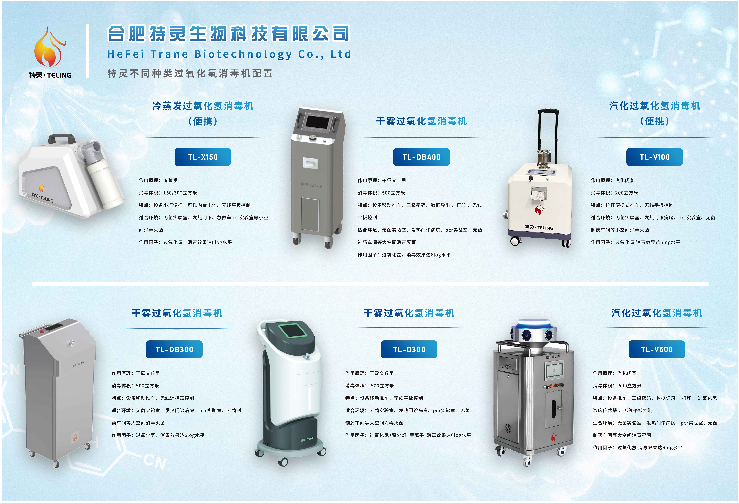
The current conventional sterilization methods in the market mainly include ozone micro alcohol sterilization, ultraviolet radiation sterilization, formaldehyde sterilization, and the currently emerging hydrogen peroxide sterilization. The above sterilization methods mentioned by the dry mist hydrogen peroxide disinfection machine manufacturer are used in various occasions, but traditional bacterial methods have fatal drawbacks in practical applications.

Hydrogen peroxide, an effective disinfectant
Firstly, hydrogen peroxide is a naturally occurring chemical substance that is widely present in air and water. As early as the 18th century, humans discovered and began using hydrogen peroxide, which is widely used in food, beverages, medical equipment, and healthcare. The use of hydrogen peroxide mainly depends on the degree of oxidation, and different concentrations of hydrogen peroxide have different uses.
The concentration of ordinary medical hydrogen peroxide (commonly known as hydrogen peroxide) is 3%, mainly used for disinfecting wounds or otitis media. If there are wounds, pus or dirt on the skin, mouth and mucous membranes, they will immediately decompose into oxygen. Oxygen does not bind with oxygen molecules and has strong oxidizing ability. When it comes into contact with bacteria, it can eliminate them and kill them. The residual substances after killing bacteria are water and oxygen, without any toxicity or irritation. There will be no secondary pollution or drug resistance. Therefore, medical hydrogen peroxide is an ideal wound disinfectant.
The concentration of industrial hydrogen peroxide is usually 25-50%. High concentration hydrogen peroxide has high corrosiveness and explosion hazard. If the concentration exceeds 8%, it needs to be packaged and transported in a dedicated container. When using liquid hydrogen peroxide for disinfection, high concentration and long-term contact are required to kill highly resistant microorganisms such as bacterial spores and fungi. For example, when using 7.5% hydrogen peroxide disinfectant produced by Reckitt Benckiser (approved by the FDA for advanced surface disinfection), the disinfection time at 20 ℃ is 6 hours.

Links:
Manufacturer of potassium bitartrate
| Ordinary freeze dryer
| Ceramic three hole blade
| Anhui ink inkjet printer
| Email system
Hefei Teling Biotechnology Co., Ltd. copyright 皖ICP备2021001288号 {disclaim}