Principles and characteristics of hydrogen peroxide sterilization for hospital facilities
2021/7/12
Principles and characteristics of hydrogen peroxide sterilization for hospital facilities
Teling hydrogen peroxide sterilization mainly kills microorganisms through the oxidizing properties of hydrogen peroxide itself. Teling hydrogen peroxide sterilization can be used for space sterilization or sterilization of some medical devices.
Usually, hospitals can use the following scenarios: wards, operating rooms, and emergency vehicles that are closely related to patients: laboratory PCR laboratories in the laboratory; Fever clinic; CT room, MRI room.
Before sterilization with Teling hydrogen peroxide, the sterilization space needs to be relatively dry, with a suitable temperature of 18-26 ℃ and humidity of 40-60%. When using low concentration Teling hydrogen peroxide for sterilization, such as the commonly used hydrogen peroxide concentration in hospitals, which is only 3%, the material compatibility is excellent, and the decomposition products are water and oxygen, which is safe for the environment.
Reference indicators for selecting hydrogen peroxide sterilizers
Hydrogen peroxide is also suitable for the final sterilization of precision instruments that are not resistant to moisture and heat, and the disinfection standards of medical institutions indicate that Teling hydrogen peroxide sterilization can be used as a final disinfection method.

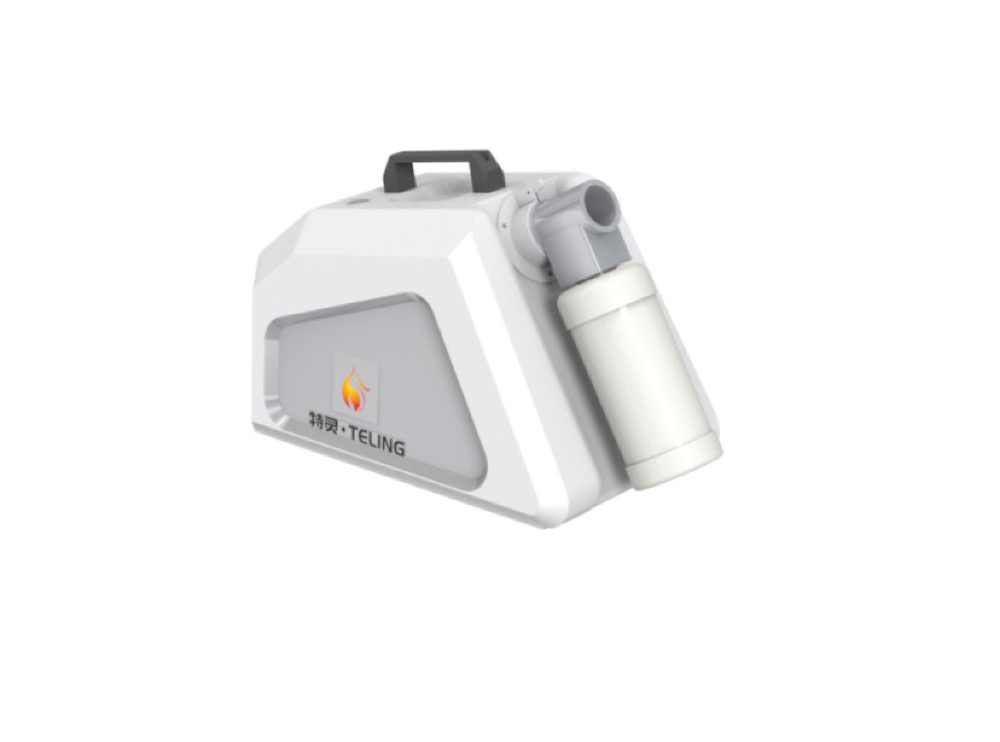
Our company has a complete range of equipment categories, with more than ten models. When selecting equipment, users can refer to the following main indicators:
1. Sterilization volume: There are single units that can extinguish 300 cubic meters, 500 cubic meters, etc. When the space is large and the number of devices is insufficient, additional equipment or partition block sterilization can be chosen. The sterilization volume marked on the equipment is the volume that achieves a thorough sterilization effect at log6 level. If it is only used for simple disinfection, the disinfection volume can reach about 1.5 to 2 times the sterilization volume.
2. Equipment type: Atomization equipment is recommended for areas with high humidity; If in addition to space sterilization, enclosed small chambers such as isolators, biosafety cabinets, centrifuges, and lyophilizers need to be sterilized independently, it is recommended to choose vaporization equipment.
3. Equipment design: Hand pushed or hand-held. Some sterilization spaces are small and large equipment is difficult to place. It is recommended to use hand-held design.
4. Function configuration: The optional functions of the device generally include printer, USB drive export, catalytic decomposition device, infrared rangefinder, real-time monitoring of hydrogen peroxide concentration, hydrogen peroxide residue monitoring, etc.
5. Key points to note: 1) If separate sterilization of small chambers such as biosafety cabinets is required, it is recommended to use vaporization equipment for space sterilization and pipeline circulation sterilization to achieve high efficiency. (2) If the frequency of use is high or the humidity in the usage area is high, it is strongly recommended to use atomization equipment, use disinfectant with low concentration and good compatibility, and if it condenses in extreme situations, even if it condenses dozens of times, it will not corrode. (3) If sterilization is required for the nuclear magnetic resonance room, non-magnetic equipment should be considered, and it is recommended to use a sterilizer with an ABS engineering material shell.

Hefei Teling Biotechnology Co., Ltd. copyright 皖ICP备2021001288号 {disclaim}