Precautions for hydrogen peroxide sterilization
2021/8/5
Precautions for hydrogen peroxide sterilization
With the increasing sterilization requirements of sterile pharmaceutical factories and hospitals' higher requirements for final disinfection levels, hydrogen peroxide sterilizers are becoming more and more popular. This article mainly introduces some precautions for hydrogen peroxide sterilization, which are relatively trivial. Experts are also welcome to guide and expand.

1. Using corresponding disinfectants for different scenarios: Aseptic pharmaceutical factories generally use fungicides or 35% hydrogen peroxide according to pharmacopoeia regulations, while hospital disease control systems generally use 3-8% hydrogen peroxide and 35% hydrogen peroxide, which are related to the principle of sterilization equipment and will not be discussed in this article.
2. It is necessary to consider the compatibility of the instruments and equipment, color steel plates, and even the ground in the sterilization area with hydrogen peroxide. If necessary, color steel plates, ground scraps, etc. can be used for titration testing. Especially for enterprises that have never used such equipment before, they must be treated rigorously. For example, some epoxy flooring with poor quality may change color or even bubble when encountering water accumulation, and the compatibility with disinfectant is even worse.
3. No matter what concentration of hydrogen peroxide disinfectant is used, if the disinfectant drips onto the skin, it must be immediately rinsed with plenty of water. When encountering high concentrations of hydrogen peroxide, the skin may feel stinging and lead oxide may turn white, but don't worry, the skin will recover to its original state in about an hour.
4. If there is a large gap at the junction of the sterilization area and the non sterilization area, it must be sealed with tape or cling film to prevent the leakage of disinfectant from affecting the sterilization effect and also affecting the staff in other areas.
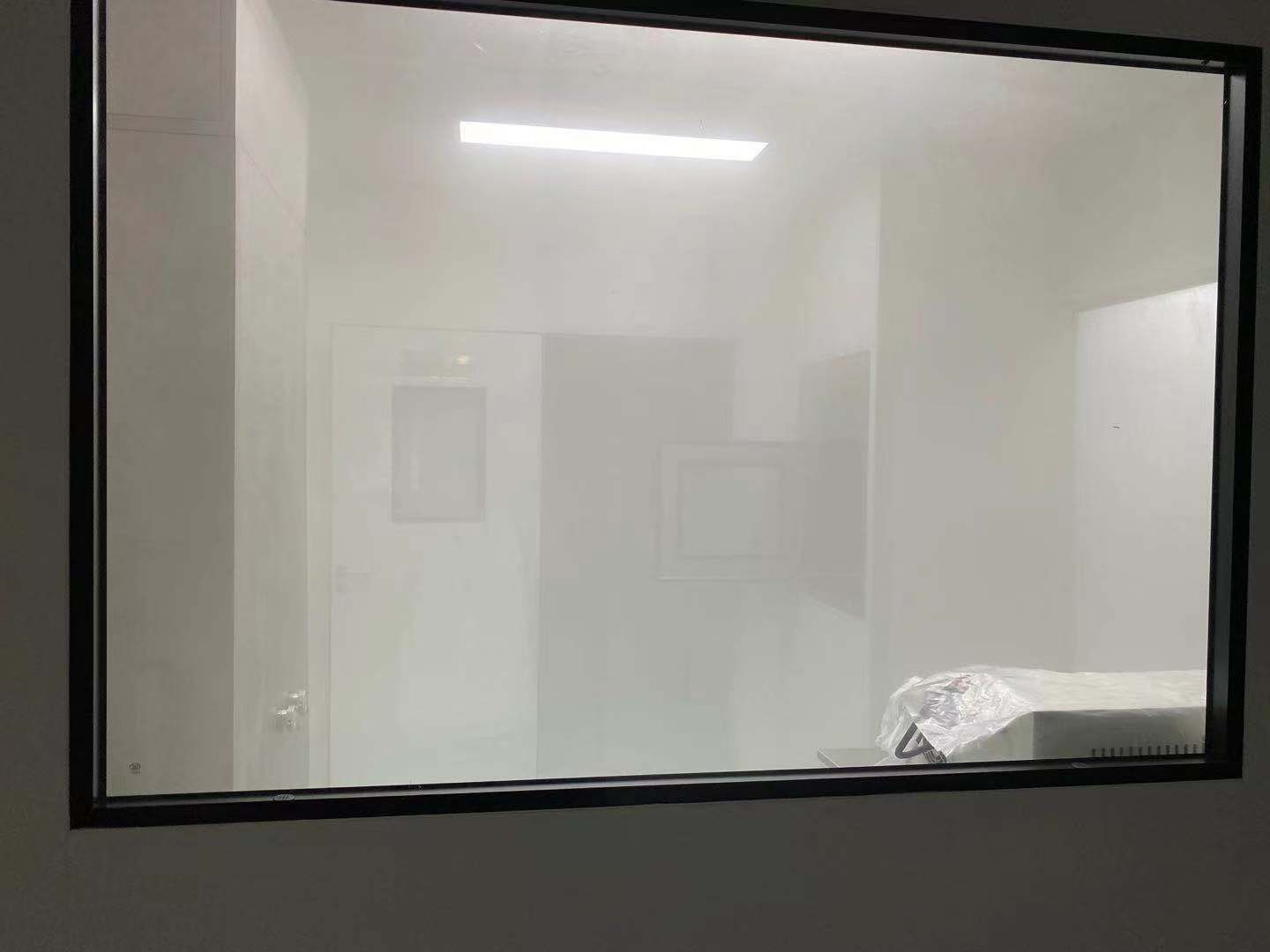
5. If valuable items or equipment that cannot be dampened are used in the sterilization area, they must be wrapped in advance.
Welcome experts to guide and expand.

Hefei Teling Biotechnology Co., Ltd. copyright 皖ICP备2021001288号 {disclaim}